
Finding People Across Salt Lake County
Start with the fact most likely to be stable. A current or old address points to the Assessor and Recorder. A court dispute points to Utah’s party-name index. A death, marriage, or family link may call for the Clerk, Vital Records, an obituary, or an archive catalog. Phone and email results can help with contact, but an official record is stronger evidence of the event it documents.
Salt Lake County includes many independent cities. Salt Lake City is the county seat, yet a postal address that says Salt Lake City may lie under another city or an unincorporated area. County land, marriage, and election systems cover the county. Police, permits, licenses, and city-created files stay with the city that made them.
- Search the Salt Lake County Assessor by owner, address, or parcel number.
- Use the parcel and legal description to move into Recorder documents and the chain of title.
- Check Utah Courts by party name, then narrow common names by court, case type, and date.
- Compare a second source, such as a deed, obituary, license, or historical directory.
- Ask the creating office for a copy when the web index shows only a summary.
Do not treat one matching name as proof. Owners, occupants, taxpayers, and people who receive mail at a property can be different. Join two independent records before drawing a conclusion.
When the starting point is only a name, work from broad to narrow. Try spelling variants, initials, and a former surname in the parcel and court systems. A very common name needs a date, city, parcel, or known relative before it becomes useful. When the starting point is an address, preserve its exact directional form and leading parcel-number zeros. Those small details prevent a search from drifting to the wrong person or property.
Salt Lake County People Records Offices
Several core offices sit at the County Government Center. The Recorder preserves deeds, liens, plats, and the chain of title. The Assessor turns parcel data into a practical name or address search. The Clerk handles marriage licenses and elections. Courts follow a separate statewide system, so case summaries come through Utah Courts. Detailed access law and copy procedures belong with Salt Lake County public records.
Salt Lake County Recorder
2001 S State St., Suite N1-600
Salt Lake City, UT
385-468-8145
Call before visiting for a specific file or certified copy. Staff can confirm the right counter, current fee, and whether older material has moved to an archive.
Search Salt Lake County Property Names
The Assessor’s owner field is the simplest official name search for real property. Enter a surname in the shown format, then compare each matching site address and parcel ID. An assessment entry can show the owner, parcel, site components, acreage, property type, tax district, exemptions, permit flag, and map coordinates. It is a current tax snapshot, not a deed and not proof that the owner lives at the site.
| Search field | Input | Best use |
|---|---|---|
| Owner | Last Name, First Name | Find parcels tied to a named owner |
| Address | Select a suggested address | Identify the parcel for a known place |
| Parcel number | Segmented parcel ID | Open one exact land record |
The Assessor search page shows these three routes into the parcel file.
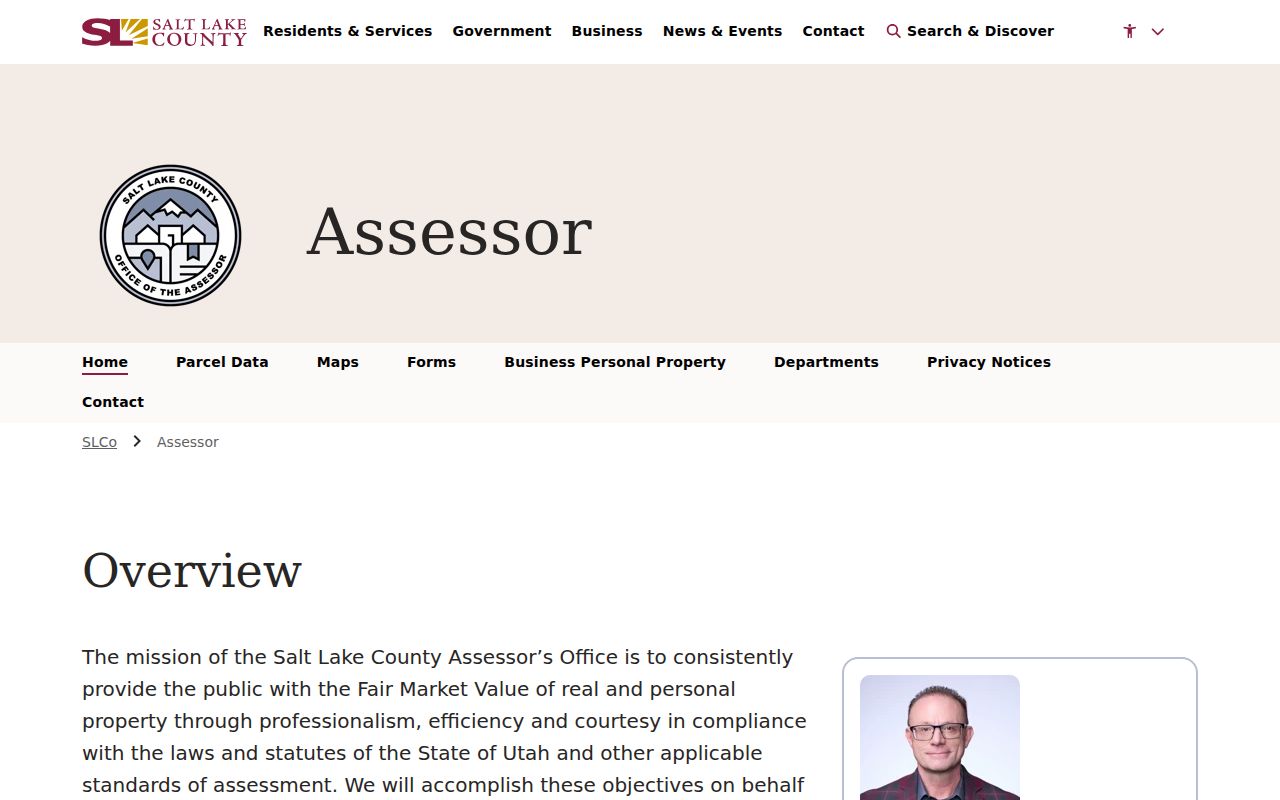
The form makes a useful handoff possible: name to parcel, parcel to map, and parcel to the Recorder’s ownership history.
Note: A situs address is the physical property address; a separate mailing address may belong to tax correspondence and need not be a residence.
Follow Salt Lake County Deed Trails
The free Recorder Public Search begins with an address or parcel selected from an autocomplete list. It provides informational property data and warns that updates may lag by at least 24 hours. Agree to its terms, choose the suggested property, and confirm the current parcel before paying for deeper research.
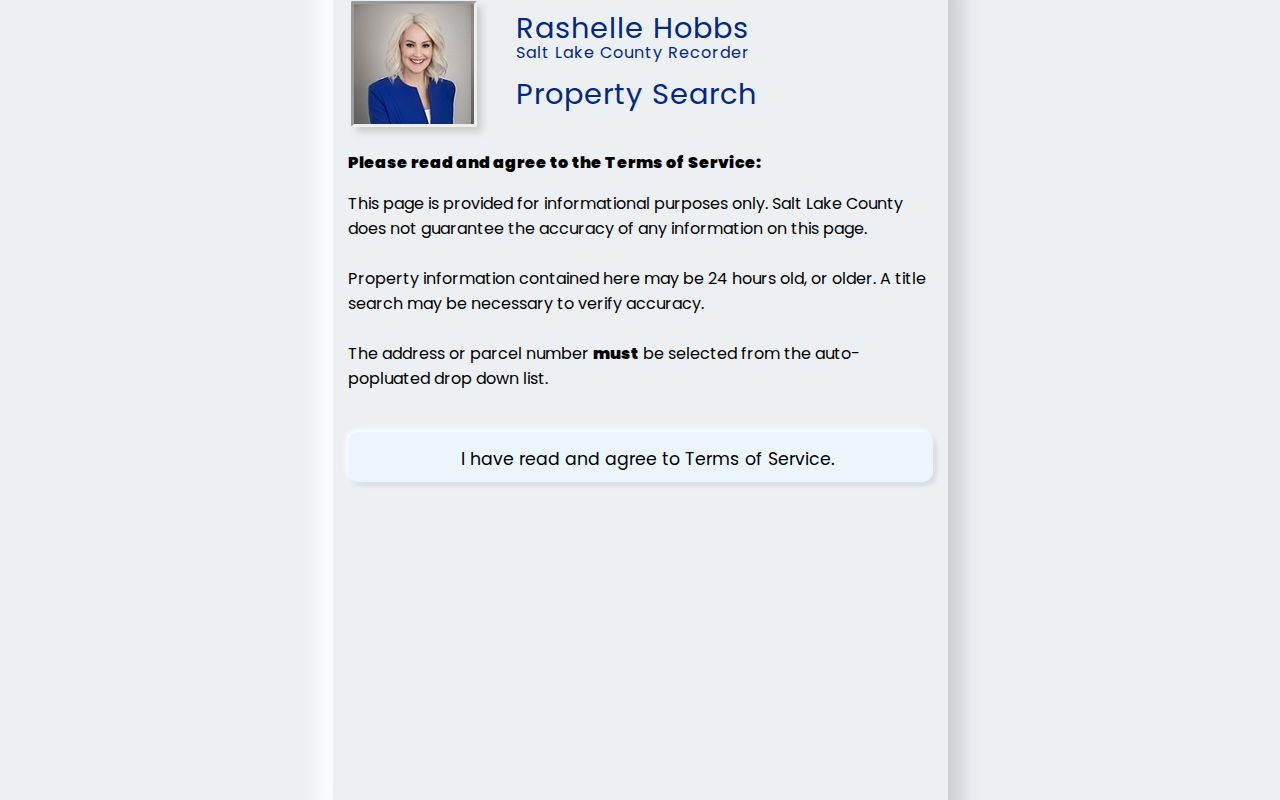
The free view is the first layer, not the whole chain. It also warns that a formal title search may be needed.
Recorder Data Services adds owner history, legal descriptions, recorded documents, the tract index, chain of title, subdivision maps, and plats. Occasional access costs $5 for 24 hours. Parcel-number history is useful after a split or renumbering defeats a plain address search.
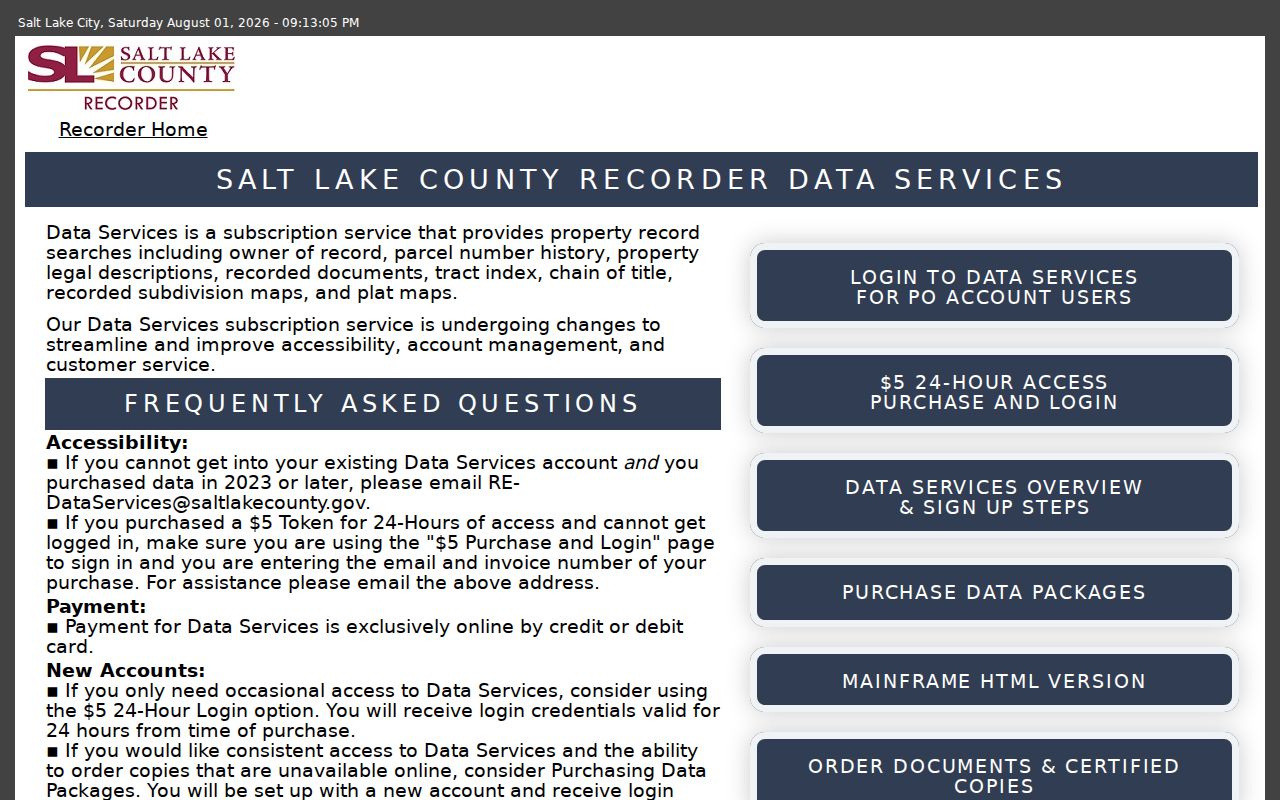
The deeper menu helps trace prior owners, while the counter remains the fallback for older files and copies unavailable online.
- Grantor
- The person or entity giving an interest in land.
- Grantee
- The person or entity receiving that interest.
- Plat
- A recorded map of lots, blocks, and subdivision boundaries.
- Chain of title
- The ordered series of recorded ownership transfers.
Narrow Salt Lake County Court Searches
Utah’s XChange covers public district and justice court cases. Salt Lake County’s main district court work falls in the Third Judicial District, with locations in Salt Lake City and West Jordan. Justice courts handle lower misdemeanors, infractions, ordinance cases, and small claims. A party result can identify the county, court, case type and number, filing date, party role, and links to case history.
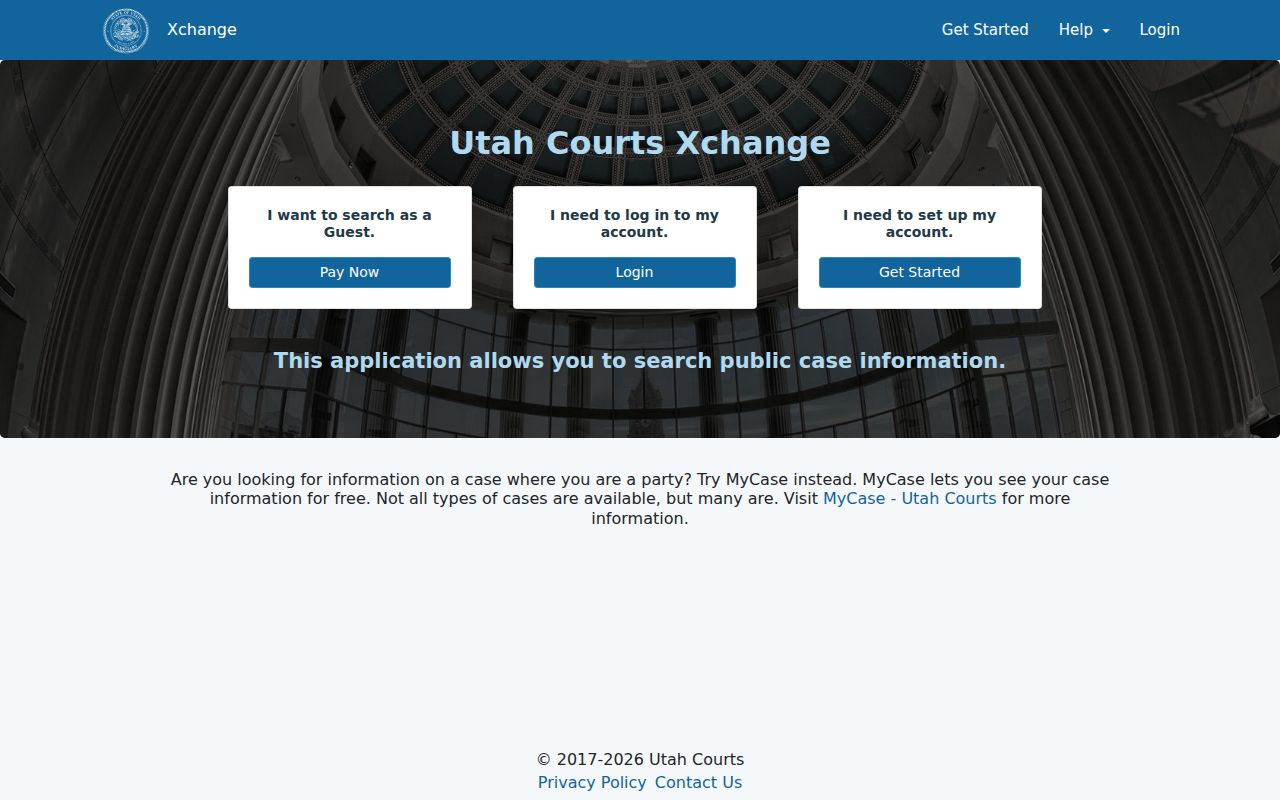
The guest and account entry leads to a detailed form. Use the first and last name plus scope filters instead of a broad surname alone.
| Court source | People evidence | Access route |
|---|---|---|
| Utah district courts | Civil, criminal, domestic, and probate parties | Paid XChange web access or free public terminal |
| Utah justice courts | Lower criminal, ordinance, infraction, and small-claims parties | XChange, then local clerk for the file |
| Federal District of Utah | Federal civil, criminal, and bankruptcy parties | PACER party or case search |
XChange caps results at 500. Narrow a common name by county, court, case type, date, and first-name variations. Most district courthouses and the Utah State Law Library provide free terminals. Ask the clerk for certified copies, recordings, or public filings not posted. Juvenile, adoption, sealed, expunged, and protected material is not open.
Salt Lake County Vital Records Paths
Recent birth and death certificates come through the Salt Lake County Health Department or the Utah Office of Vital Records and Statistics. Recent copies require identification and a qualified relationship. The state also issues marriage and divorce abstracts, but an abstract is not a photographic copy of the file. Original marriage-license copies come from the County Clerk, while the Third District Court holds the divorce case.
Utah Code §26B-8-125(5) opens birth records after 100 years, death records after 50 years, and other vital records after 75 years. Historical indexes may offer names, dates, places, and relatives without serving as certified proof. After the public period, Utah State Archives, County Archives, FamilySearch, cemetery sources, and newspapers become practical routes.
The schedule effective July 1, 2026 lists $25 for an initial birth certificate, $35 for an initial death certificate, and $25 for a marriage or divorce abstract. A March 2026 birth form still shows $22, so confirm before paying. The County Clerk lists plain marriage copies by mail for $2, phone orders for $3, and certified copies for $5.
Map Salt Lake County Address History
Salt Lake Valley’s coordinate grid is centered at Main Street and South Temple. Directional numbers can be more reliable than a neighborhood label, yet city lines and postal wording still complicate a search. A Salt Lake City mailing line does not prove that Salt Lake City government created a permit or police record. Confirm the parcel’s municipality with county map layers before approaching a city office.
The Assessor GIS and Parcel Viewer connects map boundaries with parcel IDs and tax districts.
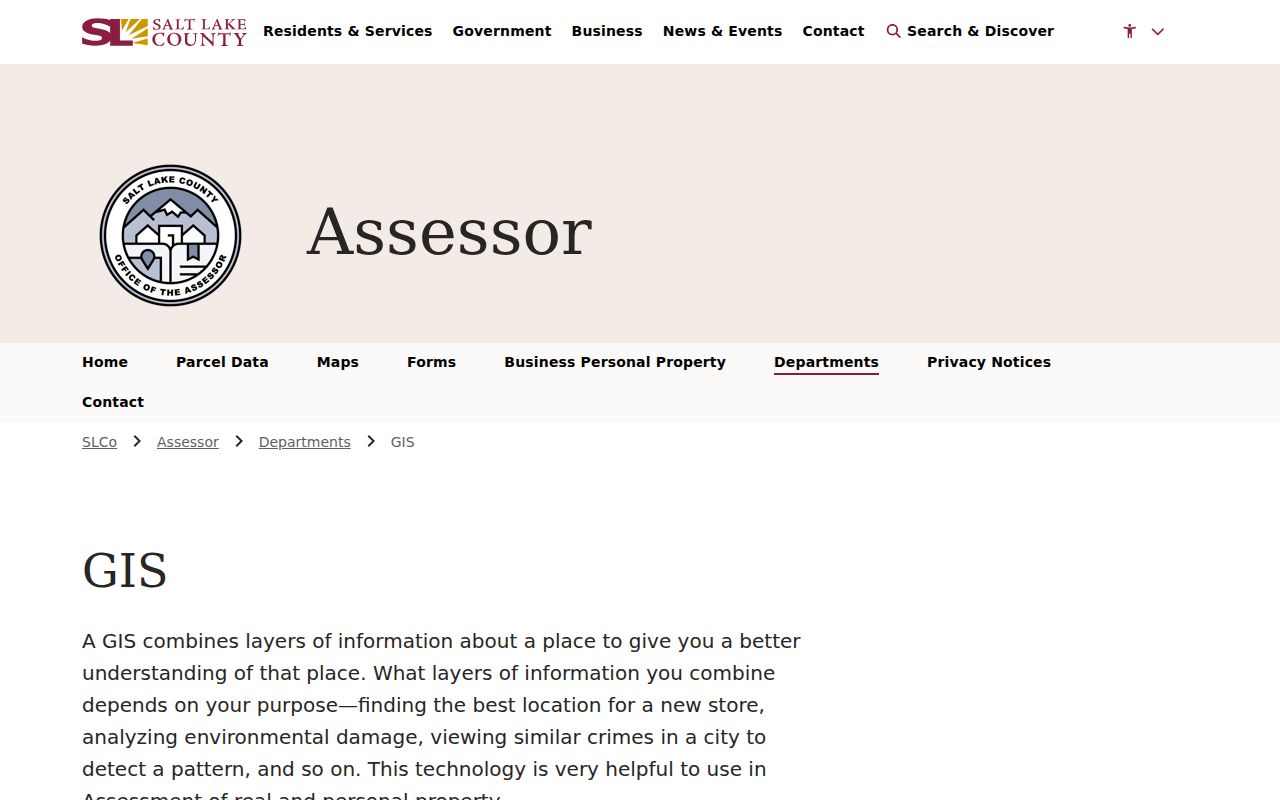
The map can settle which land unit and jurisdiction applies, but Recorder documents control title questions. A NULL or void parcel label can mean the land is not taxed; it does not prove county ownership.
For an old address, identify the parcel. Follow deeds forward for owners, then turn to reverse directories and census schedules for occupants. Permits can name an applicant or contractor, but they do not prove residence. Plats help when a street name, lot, or parcel number changed.
Trace Salt Lake County Licensed Names
A person tied to a trade or company may appear in a state directory when the address trail is weak. The Utah Division of Professional Licensing verification tool searches regulated professions. Use a name, license number, or occupation where available, then check status, expiration, and public discipline links. Status changes, so note the result date.
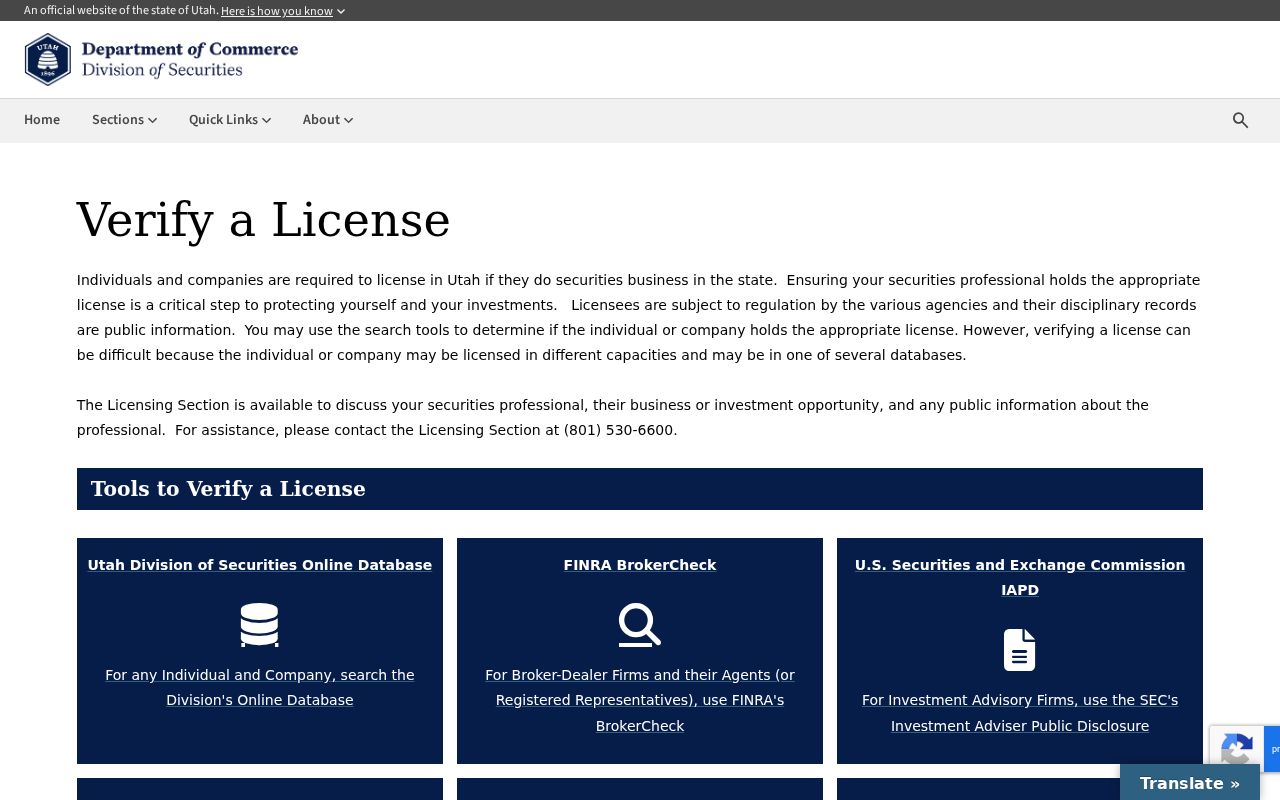
The result is best for confirming a licensed identity or professional contact, not a home address.
The Utah Division of Corporations Business Search can connect an entity to its registered agent, public filing history, and filing addresses. A registered agent accepts legal process and is not always the owner. DOPL, the Utah State Bar, educator credentials, and the business registry each answer a different question. Compare the role shown.
Check Salt Lake County Custody Records
The Salt Lake County Jail Dockets and Rosters publishes current in and out dockets and roster views. The Sheriff also offers a prisoner-finder route, and staff can help locate an SO number by phone. Roster details change fast. Booking does not mean conviction, and the county removes some identifiers under Utah privacy rules and county policy.
State custody belongs in the Utah Department of Corrections Offender Search. Federal custody uses the Bureau of Prisons locator. The public sex and kidnap offender registry is a safety tool with its own warning and terms.
Lawful use. Public access does not grant permission to track or intimidate someone. Verify time-sensitive results with the responsible agency.
Search Salt Lake County Money Links
Utah’s unclaimed property database offers a small but useful name trail. Search the official MyCash Utah portal for property held by the state. A match may show a past address or business link tied to dormant funds. It is not proof of a current residence, and only the claims process can establish a right to the property.
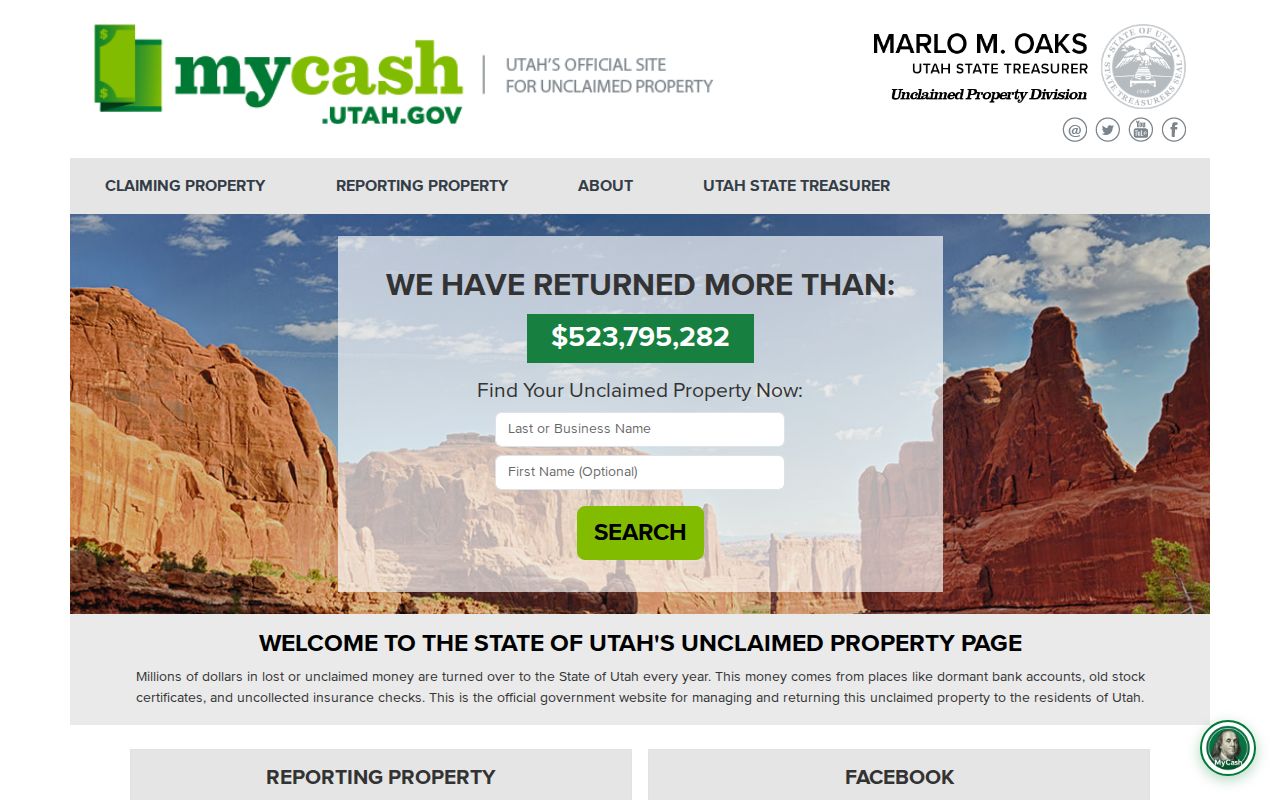
The name form is most useful with a known middle initial, former city, or entity name.
Be wary of an unsolicited caller who asks for bank data or a large recovery fee. Search the state portal directly. Probate dockets and post-death deeds can also link an estate or heir to property, but each record needs a custodian check.
Reach Salt Lake County Voter Records
Utah’s voter portal lets a voter check that voter’s own registration and polling details with identity inputs. It is not an open neighbor-name browser. Public voter lists can contain legal name, physical and mailing addresses, year of birth, party affiliation, and participation history. They never reveal ballot choices. Full birth dates, identification numbers, email, phone, signatures, and At-Risk voter information stay private.
County-only lists come from Salt Lake County Clerk Elections, while the statewide file comes through the Lieutenant Governor. Full fields, fees, confidential classes, and list maintenance appear with Salt Lake County voter registration records. Use only your own information for a personal status check.
Explore Salt Lake County Archive Trails
Salt Lake County Archives holds county government series dating from organization in 1852. Search by the agency that created the record and the series title, not just a surname. Early land, probate, court, tax, and election evidence may sit in territorial, county, church, or federal collections because Utah statehood came in 1896.
Utah State Archives takes many historical court series, especially material more than 50 years old. The FamilySearch Library, both local public-library systems, University of Utah Marriott Library Special Collections, Utah Historical Society, and Church History Library add microfilm, city and phone directories, newspapers, yearbooks, manuscripts, and church material. Some items require a card, sign-in, or on-site access.
Printed city directories can list a name, spouse, occupation, and address between censuses. Reverse directories work from address to occupant. Exact local year runs were not confirmed, so ask catalog staff instead of assuming a volume exists. Newspaper OCR often misses initials and hyphenated names. Try surname fragments, spouse names, street numbers, and narrow dates.
County Archives is also the right fallback for a county series no longer kept at the public counter. Utah State Archives is better for transferred state and court material. Library staff can bridge a catalog gap by checking bound books, microfilm, and licensed databases. This layered route matters in Salt Lake County because digitization is uneven. A failed web name search may mean the volume lacks a name index, not that the person or event is absent.
Verify Salt Lake County Search Matches
Official and commercial sources serve different roles. Government indexes describe a filed case, parcel, license, or certificate. Commercial compilations may combine public and licensed data, but records can be stale or merge two people. Use them as leads, then return to the office that created the record. A paid result is not always more current than a free county index.
| Source | Strength | Main limit |
|---|---|---|
| Official index | Direct link to a government event or filing | May show only a summary |
| Certified copy | Formal custodian copy | Eligibility, fee, or processing rules may apply |
| Archive or directory | Strong historical place and time context | Coverage and indexing vary |
| Commercial compilation | Broad discovery across sources | Can be stale, incomplete, or merged |
Compare names with a middle initial, age range, parcel, court location, relative, or event date. If a record affects an estate, title question, or other serious decision, order the copy and confirm identity with the custodian. Salt Lake County’s mix of portals, free terminals, counters, and archive collections makes that second check practical.